
Thomas White
Co-HostApple (AAPL)-The Tim Cook Era Is Winding Down
Thomas White
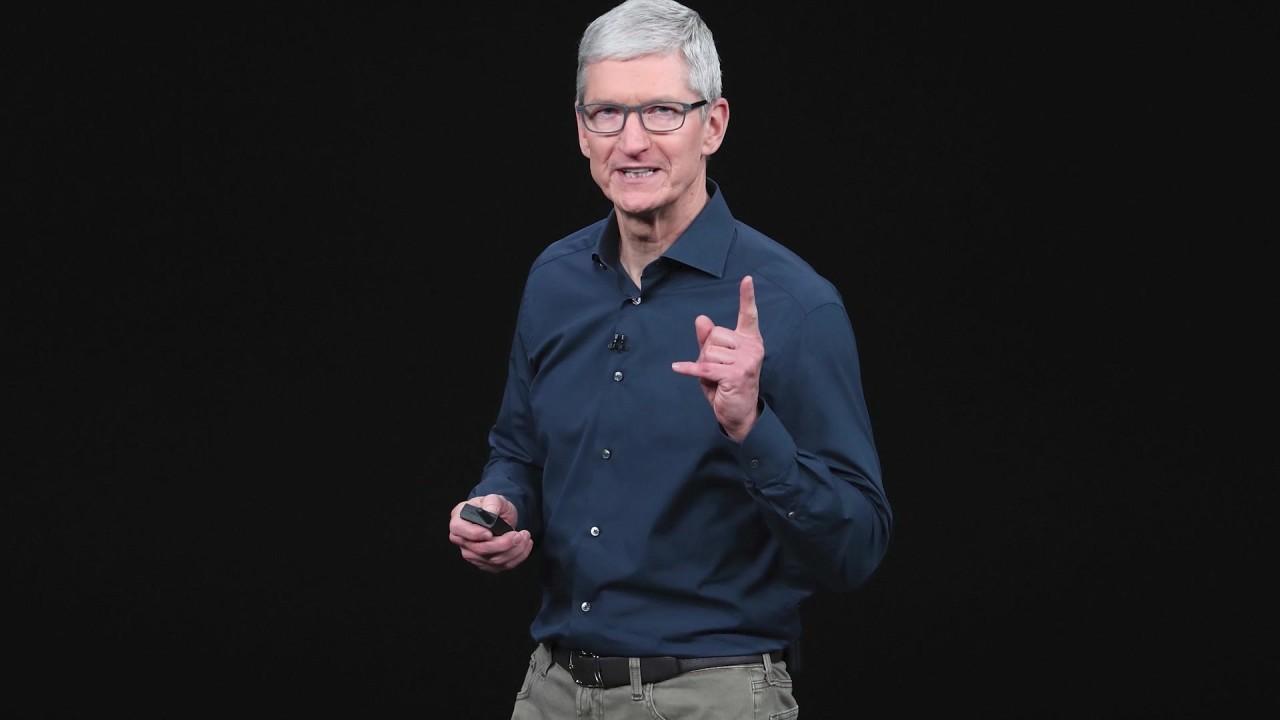
Co-HostApple (AAPL) has announced a major leadership transition, with longtime CEO Tim Cook stepping down from his role on September 1, 2026, to become Executive Chairman. John Ternus, currently senior vice president of hardware engineering, will take over as the new CEO, signaling a shift toward product-driven leadership during Apple’s critical push into artificial intelligence (AI). The move comes from a position of strength as Cook’s tenure winds down. The question for investors is whether or not this is a major shift in Apple’s outlook from a decade of services-led financial growth toward a hardware-first, AI-centric future. The iPhone remains the major revenue generator for Apple but services is its most profitable segment for the business.
Tim Cook’s 15-year tenure as CEO is widely regarded as one of the most successful in corporate history. Under his leadership, Apple's market capitalization grew from roughly $350 billion in 2011 to $4 trillion in 2026, and over 2,000% growth in the stock price. Cook oversaw the introduction of new product categories including the Apple Watch, AirPods, and Vision Pro, alongside building a massive services business that generated over $100 billion in fiscal 2025. While he is transitioning into his new role, as Executive Chairman, Cook will assist with specific aspects of the company, including engaging with global policymakers.
John Ternus, 50, has been at Apple for 25 years and is seen as a natural, internal successor. He has been SVP of Hardware Engineering since 2021 and has overseen hardware design on the Mac, iPad, iPhone, and AirPods. Many expect Ternus to maintain continuity in Apple's strategy, with a focus on deepening integration with Apple-designed silicon, accelerating AI strategy, particularly integrating AI software with Apple hardware and developing new hardware areas, such as foldable phones and smart glasses. As CEO, he is expected to leverage his engineering expertise in further M and A-series chip development to drive AI-powered products, mixed reality, and future iPhone iterations.
Investors are keenly watching how Ternus handles competition in artificial intelligence, where Apple has been perceived as lagging behind Microsoft (MSFT), Alphabet (GOOGL), and Meta Platforms (META). Apple emphasized that this change is not a surprise exit, but a "thoughtful, long-term succession planning process" approved unanimously by the board. Cook will continue to lead Apple through the summer to ensure a smooth transition.
The leadership shift marks the beginning of a new chapter for the $4 trillion company, aiming to marry the operational stability of the Cook era with renewed hardware innovation under Ternus. The timing of the leadership transition suggests that near-term results are "extremely resilient" given that Apple will likely plan such changes from a position of strong business momentum. The company reports earnings on April 30th with Apple coming off a positive ‘Super-Cycle’ from the sales of its flagship iPhone 17. The stock is up 38% over the last year and is about 5% below its all-time high of $288.62 from last December. Apple is in a position of strength into the transition but investors will have to weigh whether this is a major pivot of its focus or just a normal transition. Can the CEO transition bring about renewed optimism for shareholders or will this be a ‘show-me’ story?!
Featured Clips