
George Tsilis
Sr. Markets CorrespondentClosing Bell: Oil Shock Lifts Energy and Defense as Rates Jump; Travel and Discretionary Slide
George Tsilis
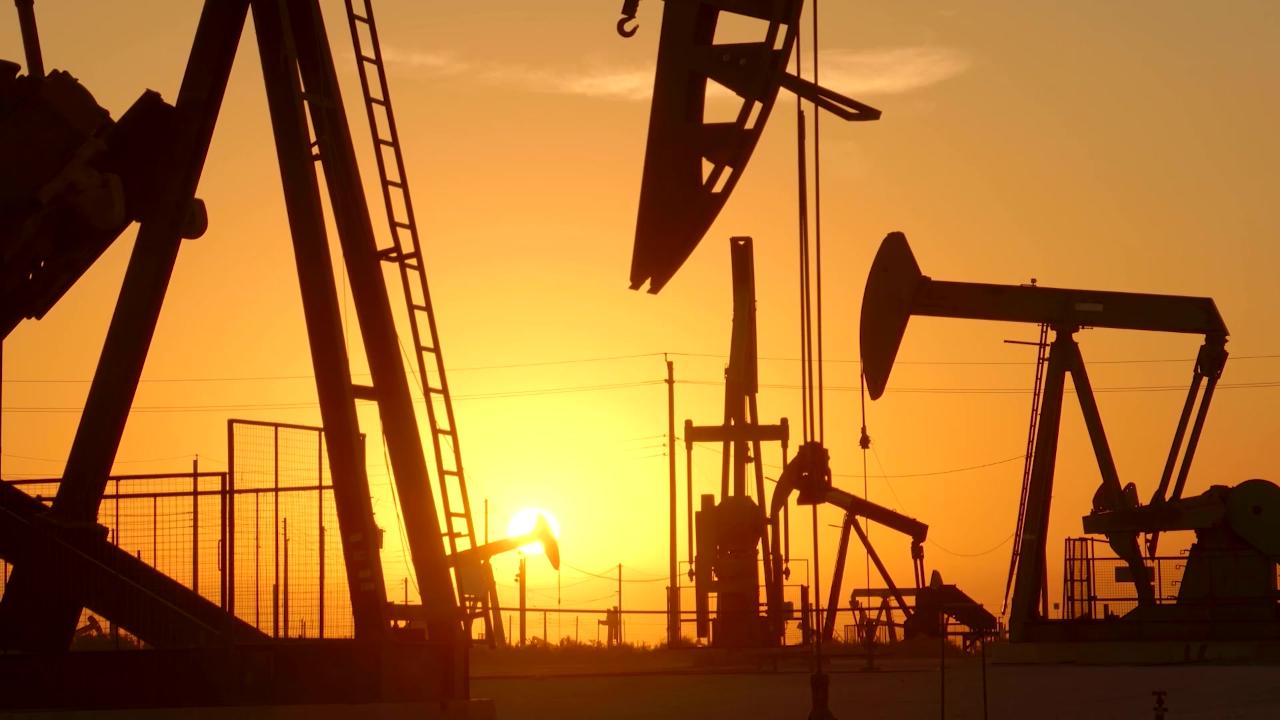
Sr. Markets CorrespondentU.S. stocks finished slightly higher on the session, with a pronounced rotation as geopolitical tensions in the Middle East drove a surge in energy prices and reshaped sector leadership. WTI crude oil futures jumped 6.37% to $71.28 per barrel, igniting gains across the energy sector and defense names while pressuring consumer-sensitive industries. The spike in oil also pushed 10-year Treasury yields up 9 basis points to 4.05%, back above 4%, as investors weighed cost-push inflation risks. The VIX moved higher, reflecting renewed geopolitical uncertainty.
Middle East Tensions Drive Oil Surge, Rekindle Inflation Fears
Escalating conflict in the Middle East sparked a powerful rally in crude oil, with WTI settling at $71.28, up more than 6%. The move translated into higher heating oil and natural gas prices, reinforcing fears that energy-driven inflation could reaccelerate. Bond markets responded swiftly, with the 10-year yield climbing to 4.04% as traders priced in the possibility that sustained oil strength could complicate the Federal Reserve’s inflation fight. The combination of higher oil prices and rising yields reshuffled equity leadership and pressured rate-sensitive sectors.
Energy, Technology, and Aerospace-Defense Lead the Market
The energy surge lifted producers and services names broadly. At the same time, industrials—particularly aerospace and defense—advanced on expectations of elevated geopolitical spending. Defense contractors attracted strong buying interest as markets assessed potential increases in global military demand. Technology also moved higher, supported by selective AI and infrastructure names viewed as insulated from direct commodity shocks.
Industrial metals, however, moved in the opposite direction. Silver, steel, and copper declined, reflecting concerns about global growth and tighter financial conditions. The divergence underscored that the day’s rally was driven more by geopolitical supply risk than by demand optimism.
Defensive Assets Catch a Bid as Discretionary and Travel Slide
While industrial metals softened, traditional hedges strengthened. Gold caught a bid, and Bitcoin also traded higher, benefiting from safe-haven flows and currency debasement concerns. In contrast, consumer discretionary stocks declined, with leisure and hospitality names—cruise lines, airlines, and hotels—among the weakest performers, as higher fuel costs threaten margins and consumer spending flexibility. The sector’s underperformance highlighted its sensitivity to rising input costs and travel demand elasticity.
Market Events for Tomorrow (ET)
9:55 AM
- FOMC Member Williams Speaks
11:45 AM
- FOMC Member Kashkari Speaks
4:30 PM
- API Weekly Statistical Bulletin
Notable Earnings for Tomorrow
- A.M: ADV, AZO, BBY, EVGO, KTB, ONON, SE, TGT, THO, VSNT, VIK
P.M: BOX, CRWD, GTLB, ROST
Featured Clips