
Thomas White
Co-HostGold Sells Off and Yields Rise – Impact to Stocks
Thomas White
Co-HostStocks remain under pressure this month with the S&P 500 (SPX) down over 4% in March. Rising oil prices have created headwinds for equities with crude up over 30% this month and 56% this year. Along with the uncertainty in the Middle East and the conflict with Iran, diverging moves in other asset classes have investors on edge.
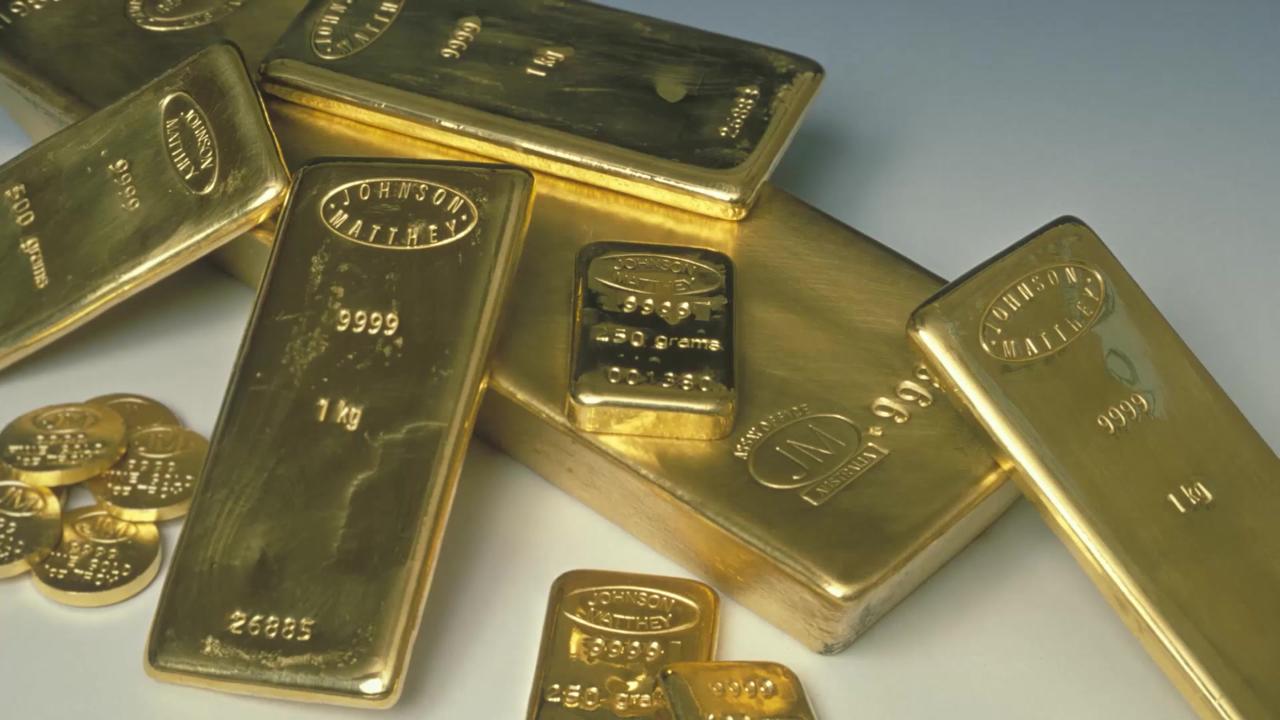
Gold prices have experienced a significant, sharp sell-off over the last two months, dropping from record highs above $5,600 in January to around $4,420 per ounce, a decline of over 20% and marking one of the worst declines in years. Despite safe-haven demand from the Iran conflict, the fall is driven by massive profit-taking, investor capitulation, a stronger U.S. dollar, and reduced expectations for Federal Reserve rate cuts. After gold's historic rally in late 2025 and early 2026, speculators and investors are locking in some gains, potentially triggering a rapid exit from crowded positions.
The Federal Reserve has signaled only a single rate cut for 2026, disappointing investors who hoped for more aggressive easing. This hawkish stance supports the dollar and undermines gold. Geopolitical tension in the Middle East has also contributed to selling pressure. As oil prices surge and threaten to keep inflation high, capital is being withdrawn from, rather than added to, gold. The U.S. dollar has strengthened, increasing the cost of gold for international buyers. Simultaneously, rising Treasury yields have made non-yielding assets like gold less attractive, causing investors to rotate into fixed-income instruments.
That brings us to the volatility we have seen in Treasury Yields. Bond yields are rising in early 2026 due to investor rotation, sticky inflation, and fiscal concerns, challenging stock market valuations. The benchmark 10-Year Yield has risen over 40 basis-points this month or about 10% and is near eight-month highs at 4.36%. As yields on relatively lower risk Treasury bonds increase, nearing 4.5%, they compete with stocks for capital, forcing often downward adjustments to P/E multiples, particularly impacting rate-sensitive sectors. The key is not that interest rates are elevated, but it’s the velocity of the move higher that has caused uncertainty for investors.
As of early 2025, the 10-year Treasury yield, which has been pushing higher, acts as a headwind on stock market appreciation. If yields keep rising, particularly approaching or exceeding 5%, the market risks a potential correction, particularly if earnings growth cannot compensate for the rising cost of capital.
If Treasury yields continue to rise while gold falls, stocks, particularly growth-oriented sectors, may continue to face increased pressure due to higher valuation discounting and rising opportunity costs, likely leading to more volatility. But this scenario may produce a "risk-on" environment driven by optimism or rising inflation, causing capital to rotate from non-yielding gold into equities. The moves in equities will remain hinged on what happens in the Middle East and how quickly a resolution happens with the Iran conflict.
What the market might need more than anything is some consolidation in yields, gold, oil and stocks to see any potential reprieve in uncertainty. If the uncertainty and high-velocity moves continue in gold and yields, among other asset classes, you may see continued pressure on stocks in the near-term.
Featured Clips