Dimitra DeFotis
Senior EditorIn Technology, Where are the Growth Stories and What’s Next for Semiconductors?
Dimitra DeFotis
Senior EditorThere is regime shift underway in technology as AI evolves and semiconductor makers step up to meet related demand.
Have we come too far too fast? What are the financing risks in the artificial intelligence buildout? On Tuesday, investors and traders seemed to be voting. The PHLX Semiconductor Index (SOX) slid nearly 5%. But the semiconductor index is still up 107% over the past year. That outpaces the performance of major indexes in the same period, including the Nasdaq-100, up about 24%; and the Russell 2000 (RUT), up about 31%.
As selling pressure took root in memory chip and semiconductor equipment companies Tuesday, Josh Jamner, senior investment strategist at Clearbridge Investments, said, “A lot of the laggards today were leaders yesterday. … It’s one day in, one day out on the tech trade. But as we get this moderation in volatility, we think that can be the foundation for the next leg of market leadership. We are still searching for clues.”
What has this earnings season shown traders and investors focused on tech? How are shifts in software and memory chipmaker equities impacting broader market sentiment? Marley Kayden sat down with Tiernan Ray, founder and editor of The Technology Letter, for answers. Here are short excerpts from the lengthy interview.
Question: After multiple tech cycles, what is unprecedented today?
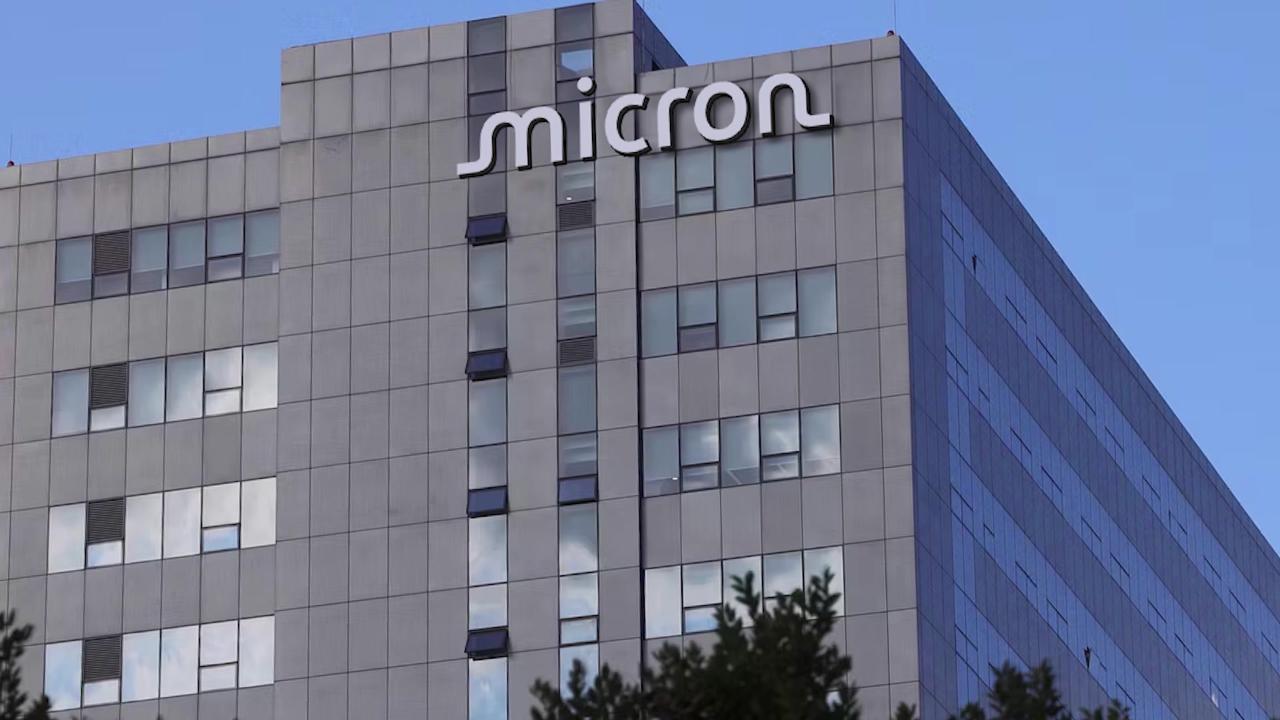
Tiernan Ray: We are in the midst of a renaissance in computer chips, which has been going on at least going back to 2010. Chip technology for a long time had been stale. You had Intel (INTC), PCs and a little bit of innovation when Apple (AAPL) started making its own chips, starting with the first iPhones in 2007. But what we are seeing now is a kind of Cambrian Explosion of chips. That is a dramatic, multi-decade change … Companies like Micron Technology (MU) that make the DRAM [Dynamic Random Access Memory, used in computers and other devices for temporary data storage] had been pretty predictable producers of a commodity product, for decades. You always had more memory in your PC. Now they are being flooded with requests for chips because everyone is building data centers ... [Think about] stock valuations for Micron, Sandisk (SNDK), Samsung Electronics (SSNLF), the biggest memory chip maker, and SK Hynix (SKHY), the South Korean company that is number two behind Samsung. Some companies that once were reliable but low valued, like Micron, now are superstars because everyone needs more memory. That is the thing within this whole chip renaissance that is most startling to me.
Q: Where are there investing opportunities and why did you start your newsletter?
A: [For big business media outlets,] the biggest companies, Microsoft (MSFT), Meta Platforms (META), Alphabet (GOOGL), Amazon.com (AMZN), Tesla (TSLA), had become the entire focus … People need to know about something they can invest in that is below $1 trillion in market capitalization that might actually be a terrific investment. And there are dozens of them … There is a massive absence of the kind of reporting that investors need about other kinds of companies.
Q: You do not own equities. Why is that important for people consuming finance and investing content?
A: There are long-only investors who believe in a company, and short sellers who have found the thing that is going to sink a stock. They are always fans of a certain angle. And I think that’s a trap. If you are going to be logical about the investment, you should be able to say, on any given day, “This doesn’t work,” or “This company is a wonderful company, but maybe they simply are not going to attract investment.” Or, conversely, I had a notion about a company, and I was wrong. You should be able to have a certain detachment. That came out of being in journalism for 30 years. At Dow Jones [parent of Barron’s], there are very specific rules to make sure you don’t own the things you are reporting on, because it is a conflict of interest. It makes sense to me … a way to not be a promoter, a fan, or be defensive about a company’s story.
For more, watch the full interview Tiernan Ray Talks 2Q Earnings, Tech Stock Volatility & Financing AI Buildout or stream the Market Matters podcast
For this week’s economic and earnings calendars, see Week Ahead: Retail Earnings, FOMC Minutes, Housing Data in Focus.
Featured Clips
Tiernan Ray Talks 2Q Earnings, Tech Stock Volatility & Financing AI Buildout
Market Matters with Marley Kayden
► Play videoZed Francis on AI Chip 'Volatility Smash' & Using 'Boom Bust' to Your Advantage
Market On Close
► Play videoRaj Patel on Bond Yields, Fed Policy and AI's Next Wave
Opening Bell With Nicole Petallides
► Play video