
Kevin Green
Sr. Markets CorrespondentMonday Starts Off in Confusion
Kevin Green
Sr. Markets CorrespondentThe Iran conflict continues to drive markets this week, as index futures reversed early losses after President Trump posted on Truth Social: “I am pleased to report that the United States of America and the country of Iran have had, over the last two days, very good and productive conversations regarding a complete and total resolution of our hostilities in the Middle East.” This statement led markets to believe that a potential off-ramp may emerge in the coming days.
Oil markets moved sharply lower following the comments, with Brent crude dropping more than 7% at the time of writing. Over the weekend, President Trump had threatened strikes on Iranian energy infrastructure and power plants if the Strait of Hormuz was not reopened, giving Iran a 48-hour deadline to comply.
Iran responded in kind, threatening regional energy and water infrastructure, keeping traders on edge as the deadline approached. Adding to the confusion, Iran’s Foreign Ministry stated that no talks with Washington are currently taking place, contributing to the sharp whipsaw in markets.
These conflicting developments have reduced liquidity across most asset classes, and elevated volatility should be expected throughout the day as new headlines emerge.
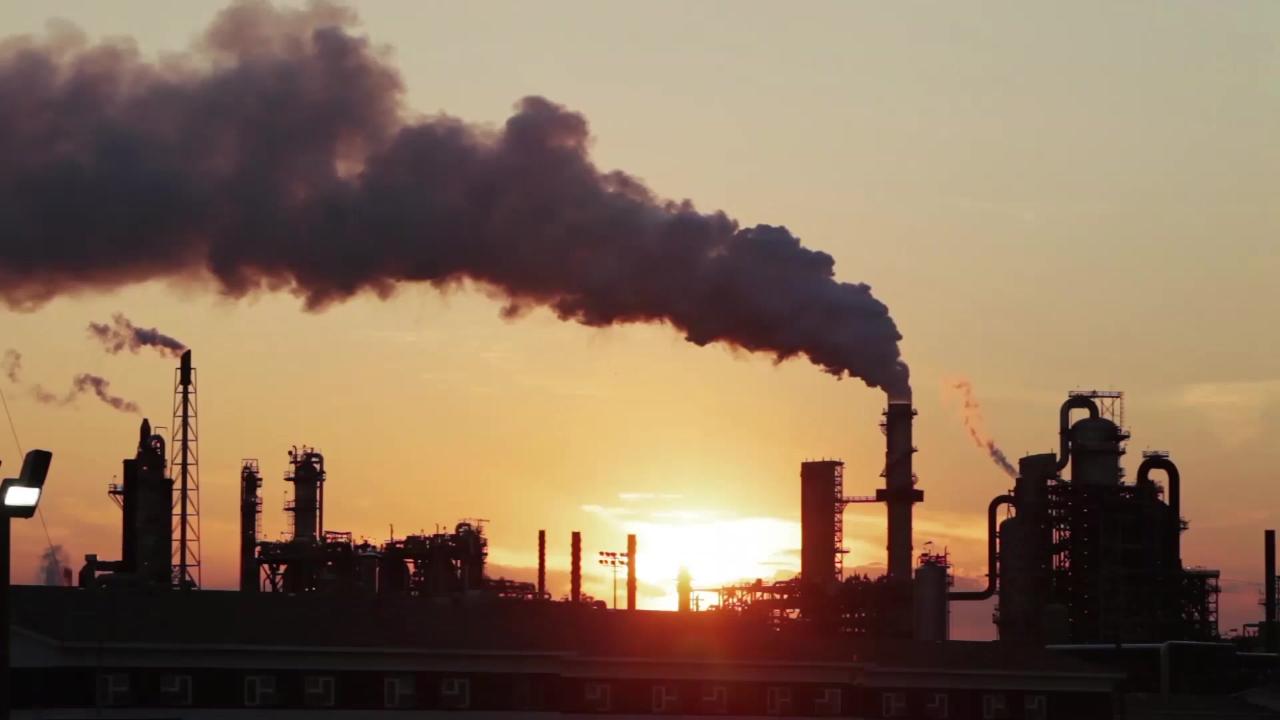
From an oil perspective, any signs of de-escalation in the coming days could push crude prices, and refined products like gasoline and diesel, lower. However, the real-world impacts of supply chain disruptions and constrained energy supply across the Middle East remain a critical factor.
This underlying tightness is likely to provide a price floor for oil over the coming weeks, if not months. Additionally, concerns are growing that the Bab el-Mandeb, another crucial shipping chokepoint, could become the next contested corridor if the conflict escalates further. That risk is already being reflected in rising tanker rates, reinforcing the broader theme of persistent stress across global energy logistics.
In the near term, markets remain caught between two competing forces: headline-driven optimism around potential de-escalation and the reality of a still-fragile energy supply chain. Until there is clear, verifiable progress on diplomacy, price action is likely to remain volatile and reactive to each new development.
Even if tensions ease, the damage to flows, logistics, and inventories has already been done, suggesting that energy markets will stay structurally tight. For traders and investors, this environment reinforces a key theme: expect sharp swings, but don’t ignore the underlying supply constraints that continue to anchor risk to the upside.
Featured Clips