
Maria Schrater
WriterOil Starts to Fall Before Monday Open
Maria Schrater
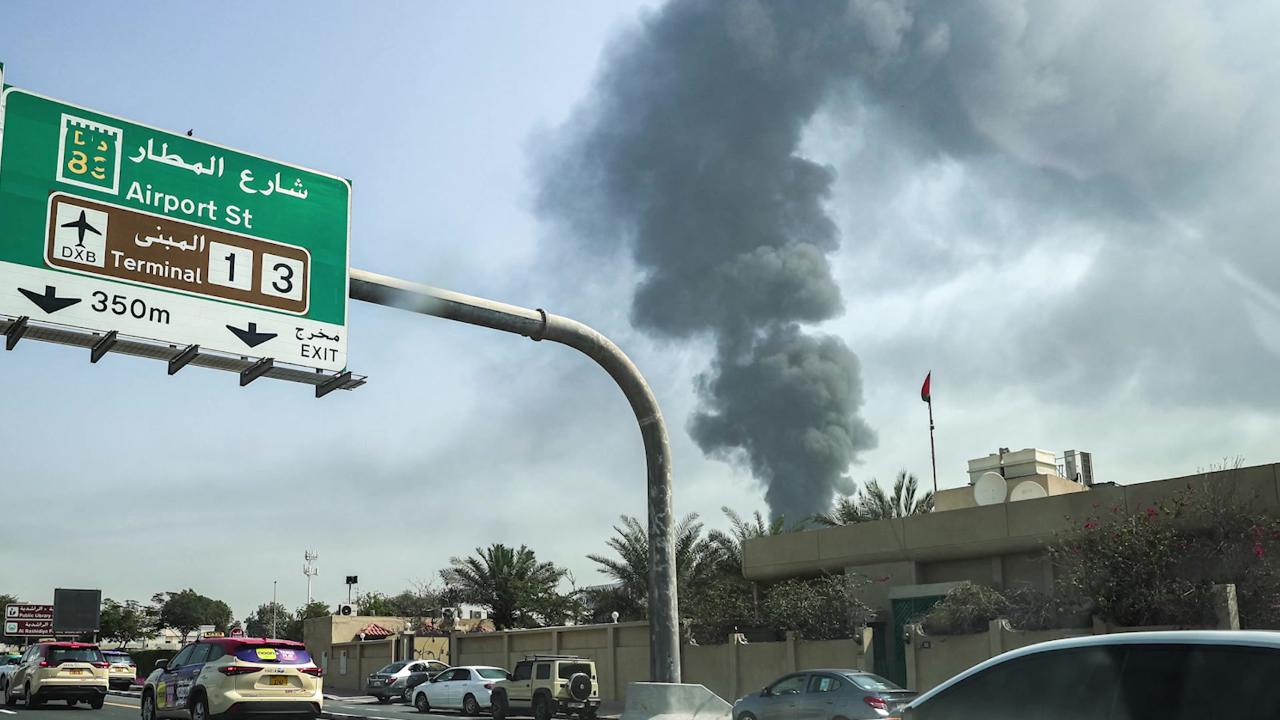
WriterOil is down around 3% in the premarket at the time of this writing but still remains near $95 per barrel. Iran is trying to drive the price up further, mining the Strait of Hormuz and launching drone attacks across the Persian Gulf. The fresh attacks hit UAE’s oil export terminal at Fujairah, a key energy hub, and Saudi Arabia also reported missile and drone attacks. The UAE’s daily oil output is reportedly down by 50%.
President Trump has demanded other world powers, including the U.K., Japan, and China, help reopen the Strait of Hormuz by sending warships that would escort oil tankers. None have committed so far, but traders should watch for any announcements in that arena. Bloomberg reports a total of 16 reported attacks on vessels in the Strait since the war began. More than 4 million barrels per day are missing from the market with the Strait’s closure.
As Kevin Green previously mentioned in his Saturday column, some countries, including India, are negotiating individually with Iran to move their ships through safely. Two managed to clear the Strait of Hormuz this weekend.
The IEA is scheduled to give an update on its oil reserve releases of a record 400 million barrels around 10 AM ET. However, the reserves will take time to trickle through to the rest of the world, so reopening the Strait of Hormuz remains critical in bringing prices down over the coming weeks. While the U.S. remains relatively insulated right now, Asian countries that depend heavily on Middle Eastern crude are scrambling, with Nepal and others already beginning to ration supplies.
Altogether, this underscores the vital need for energy independence around the world, particularly as AI gobbles up electricity like there’s no tomorrow. Oil’s many different quality levels – heavy, sour, sweet and so on – mean that refineries can’t easily pivot to different types, constricting global potential during any disruption.
However, oil prices are falling today after Treasury Secretary Scott Bessent stated that the U.S. is allowing Iranian oil tankers pass through the Strait of Hormuz. As they fall, stocks are reversing last week’s losses and giving a bump to optimism for risk-on assets. Also aiding the move was a Wall Street Journal report stating that the U.S. will announce soon a coalition of countries to escort ships through the Strait, citing officials. The equity market remains tied to oil and the conflict in the Middle East and will remain so in the near-term.
Featured Clips