
Thomas White
Co-HostRetail Earnings and Consumer Take Center Stage This Week
Thomas White
Co-HostThis week's retail earnings reports will be an important test of the market's rally.
After a record-setting run for stocks, investors will shift their focus to the retail sector this week as Home Depot (HD), Lowe's (LOW), Target (TGT), and Walmart (WMT) report quarterly results.
Consumer spending accounts for nearly 70% of the U.S. gross domestic product (GDP), making it the single largest driver of the American economy. The retail earnings reports come against a backdrop of slowing summer spending and sticky inflation. Friday’s July retail sales fell 0.6% versus the 0.1% gain expected. It was the first decline since October 2025 and the biggest since May last year, driven by weaker sales at online retailers (-2.2%), likely reflecting spending pulled forward into June after Amazon moved its Prime Day event from July to June this year. Although a miss in July, overall sales are up about 5% from year earlier levels.
The spectrum of retailers reporting this week provide clarity on the health of the U.S. consumer, housing activity, discretionary spending, and the impact of inflation on households. The jobs market has cooled, wages have moderated, and concerns that inflation will reignite have retail earnings highly important this quarter.
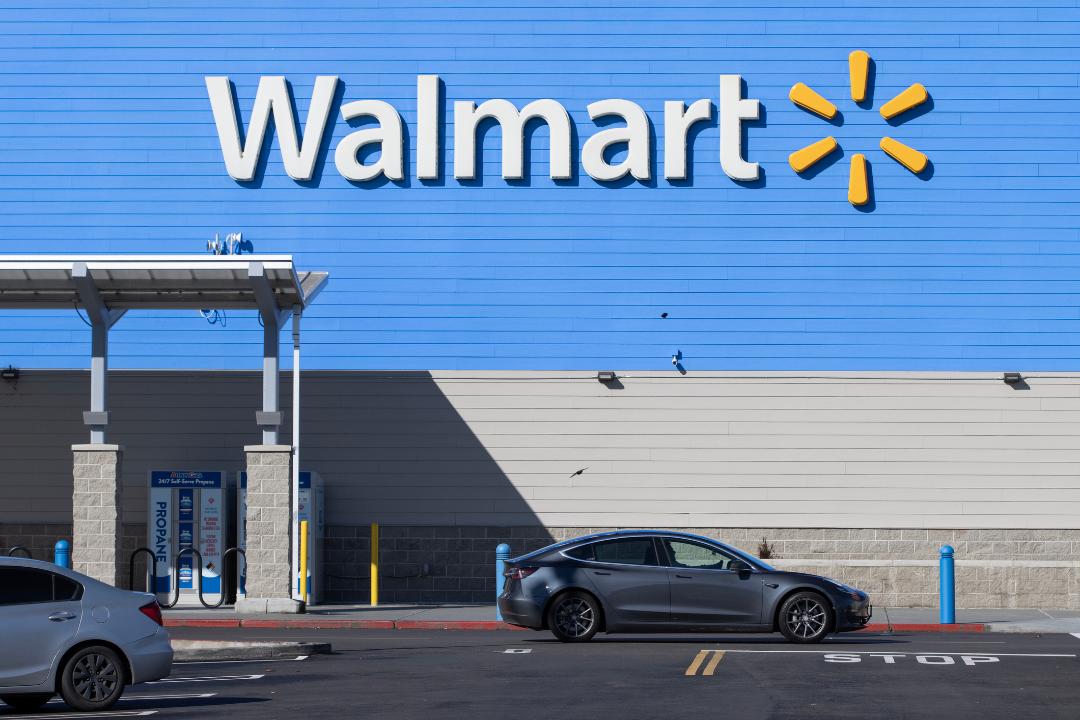
Walmart (WMT) may be the most scrutinized earnings of the week when they report on Thursday morning. Walmart's results are often viewed as a broad barometer of U.S. consumer health because it serves shoppers across income levels. While the low-end consumer is currently struggling, the more affluent spender may be trading down on their purchases. The current Zack’s consensus EPS is $0.73, reflecting a year-over-year increase of 7.4% and revenue is expected to be $186.3 Billion, a 5% jump year-over-year. Investors will be looking for continued strength in grocery sales, e-commerce growth, and membership revenue from the retailer. Walmart’s stock fell 7.3% on the day of their May report despite a revenue beat. The shares are down 14.7% from its all-time high of $135.16 and its recent underperformance to its premium valuation, currently at 37.6X forward 12-month EPS estimates.
Home Depot (HD) reports Tuesday and remains a key gauge of the housing and home improvement markets. Investors will focus on comparable sales trends and whether elevated mortgage rates are delaying project spending. The Zacks estimate for EPS is $4.71, which is less than 1% ahead of the same quarter last year. Consensus Estimate for fiscal second-quarter revenues is pegged at $47.5 billion, indicating growth of 4.9% from the year-ago quarter’s actual. Last quarter, Home Depot said the company feels great about the spring selling season but the recent housing data may push back against that narrative. Home Depot shares are down 15% over the last year so sentiment is relatively low going into the report.
Lowe's (LOW) follows Home Depot and reports on Wednesday morning and offers another important look into the housing market. With more reliance on Do-It-Yourself consumers (approximately 75% of customers vs roughly 50% for Home Depot), Lowe’s results may give more clarity on spending patterns. The Zack’s consensus for EPS is at $4.22 per share, reflecting a year-over-year decrease of 2.54%. Revenues are expected to be $26.18 billion, up 9.3% from the year-ago quarter. Like Home Depot, Lowe’s stock has sputtered this year, falling over 9%, and is down 25.5% off of its all-time high of $293.06 from February.
Target (TGT) also reports earnings on Wednesday morning, but the stock has been on a tear this year. Target shares are up 58% in 2026 and hit 21-month highs last week, so the bar is high going into the report. Target is viewed as one of the most important indicators of discretionary spending because its product mix is heavily exposed to apparel, home goods, and general merchandise. For EPS, Zack’s consensus estimate is $2.26 per share, reflecting a year-over-year increase of 10.24%. Comparable sales were up 4.4% last quarter and digital comparable sales grew 8.9%.
Strong results from retailers may reinforce the narrative that the U.S. consumer remains healthy and could support further gains in equities. On the other hand, weaker sales or cautious guidance may raise concerns about consumer spending into the second half of the year.
See Week Ahead: Retail Earnings, FOMC Minutes, Housing Data in Focus for more on last week's economic data, and catch up on the economic and earnings calendar in Week Ahead: Retail Earnings, FOMC Minutes, Housing Data in Focus.
Featured Clips
Hitha Herzog on Retail Sales, Prime Day Distortions & Smarter Consumer Spending
Market On Close
► Play video