
Maria Schrater
WriterSan Fran Power Outage Highlights Vulnerabilities for Self-Driving Vehicles
Maria Schrater
WriterA PG&E outage Saturday cut power to almost a third of San Francisco, an incident that may only become more common as the power grid continues to age, data centers strain the grid, and the threat of wildfires loom.
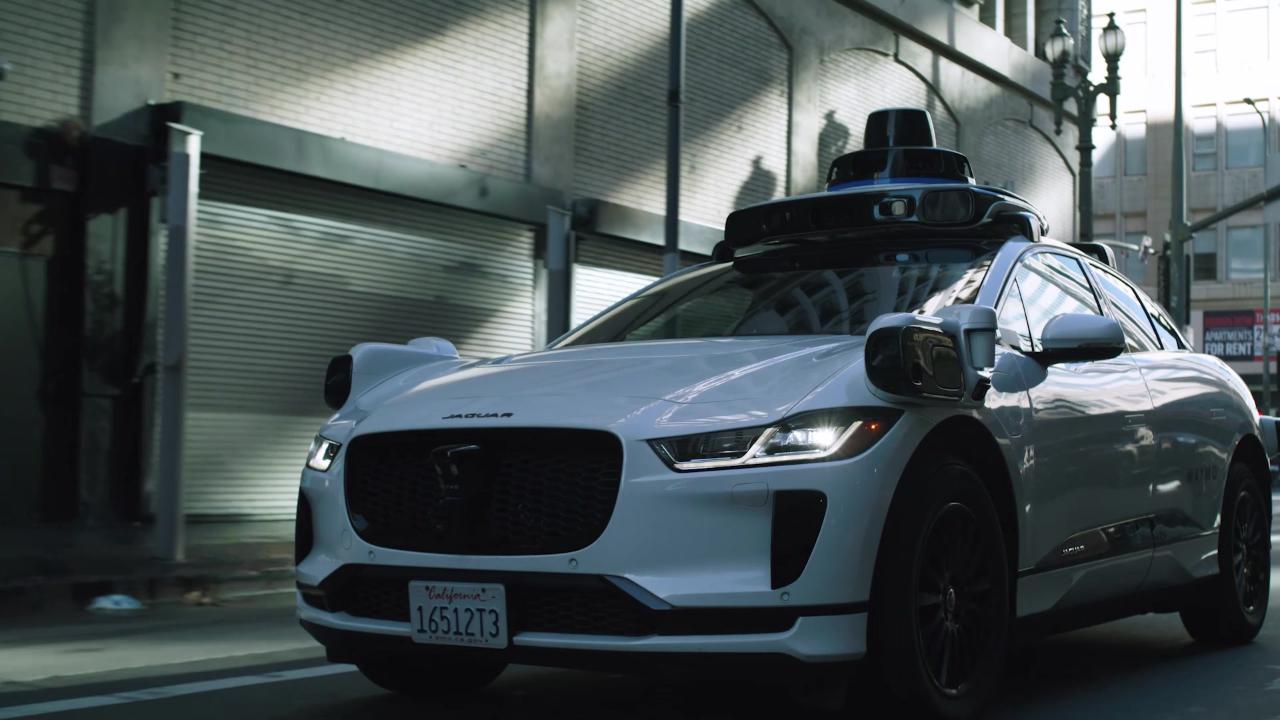
Alphabet’s (GOOGL) Waymo released a blog post in the aftermath saying it would update its software to help robocars navigate in similar situations. Traffic lights went down throughout the city, and while Waymo says its cars are programmed to handle these as four-way stop signs, “it may occasionally request a confirmation check to ensure it makes the safest choice.”
Because of the sheer scale, a “request backlog” contributed to congestion, Waymo said. However, it notes that the cars successfully handled over 7,000 dark signals.
As companies race to deploy self-driving cars, investors might consider how well these vehicles can handle unexpected situations. Self-driving cars of all brands have mostly been deployed in the American West Coast and Southwest, where there is little snow and ice – as compared to, say, Chicago conditions.
Waymo and its peers also connect to cell towers and the internet, though core driving decisions are made by the onboard AI.
Constant connectivity is the underlying premise of future technology. Hyperscalers are competing to build enormous data centers and buy up Nvidia (NVDA) chips, but no entity is responsible for controlling the power grid or keeping it up to modern standards.
Much of our power infrastructure was built in the last century, and even if money pours specifically into renovations and updates, it will still take years to reform the grid. Recall brownouts and blackouts during unexpectedly harsh weather in the last few years, including in Texas.
The technology may be evolving quickly, but are self-driving cars catching on? If they visibly cause traffic congestion during emergencies, will consumers be willing to take them?
So much of American life depends on car travel – asking people to shift to self-driving cars is asking them to adapt a part of their identity. Think of how people judge each other on make and model.
Every new technology has its battles, and requires public buy-in. Convenience is the lure for self-driving cars: ride-sharing but easier, more private, and without the hassles of car ownership.
Waymo is taking steps to address vulnerabilities quickly and transparently. With competitor Tesla (TSLA) announcing plans to deploy 1 million robotaxis by 2035, the question remains: will support infrastructure keep up?
Featured Clips