Maria Schrater
WriterSupreme Court Rules Against Tariffs, Stays Silent on Refunds
Maria Schrater
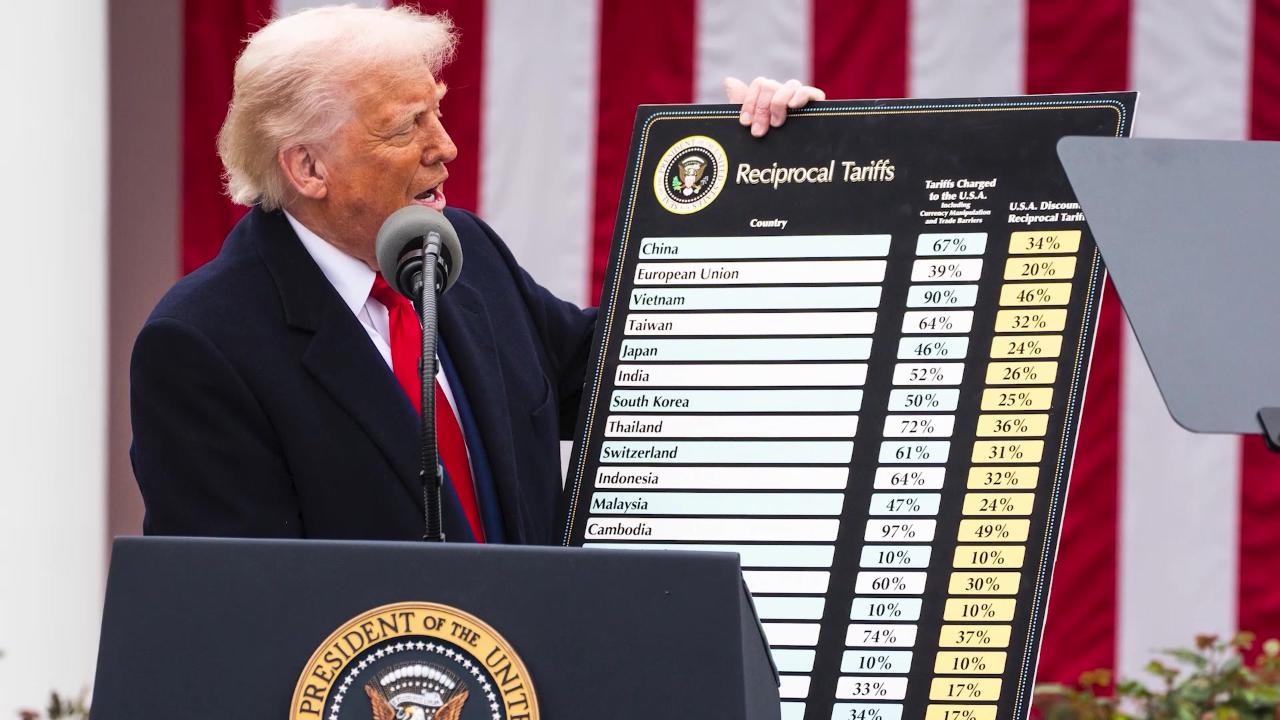
WriterThe Supreme Court ruled against the Trump administration on Friday morning, striking down global tariffs. In a 6-3 decision, with Chief Justice Roberts writing the opinion, the Court found that tariffs enacted through the IEEPA were illegal. Markets saw a bump on the news, but many expected the decision so it may have been priced in.
The IEEPA is a sanctions law from 1977, per the Cato Institute, that was designed to “let the president freeze assets and restrict financial transactions during genuine emergencies.” The IEEPA never mentions the word tariff, and the Supreme Court found that the executive branch had overstepped its authority without Congressional approval.
The IEEPA tariffs made up about half of the tariffs imposed, which have now reached the hundreds of billions of dollars. In January alone, collections hit $30 billion, up over 300% vs last year.
The White House believes it still has levers to pull to reinstate the IEEPA tariffs through a different mechanism, but it is unclear how they are planning to do it. In a rebuttal, President Trump said he would impose tariffs under Section 122 of the Trade Act of 1974, but that only lasts for 150 days before requiring Congressional approval. The U.S. House voted earlier this month to overturn Canadian tariffs, so it seems unlikely they will cooperate.
Also, the decision said nothing about refunds. Worries around the tariff decision were largely in regard to that, since there is no process in place to send back billions of dollars to the importers who paid them. Instead, they sent the decision back to the lower courts – and the verdict will be watched closely.
A working paper by Harvard and the University of Chicago found that nearly all the cost of tariffs is being paid by U.S. importers, rather than foreign suppliers. This means that if refunds were to happen, this could be a tremendous stimulus spike to the economy, as the money would be returning to U.S. companies.
The markets are expecting a number of fiscal stimulus bumps already because of the ‘One Big Beautiful Bill’, which makes many 2017 tax cuts permanent and is expected to boost tax returns for individuals and businesses alike, taking effect this year.
Tariffs can act as an artificial cause of inflation, a tax driving up the price of goods to attempt to change buying habits and the industrial sector. As affordability remains a top issue for many Americans in the K-shaped economy, and the midterm elections are looming, re-imposing those tariffs may not be a popular decision.
However, those tariffs have also been a negotiating tool with countries around the world, who have sought to lower or dismiss those rates. Treasury Secretary Scott Bessent warned last year that overturning the tariffs could cause “dangerous diplomatic embarrassment” abroad.
A new wrench is thrown in the markets. Even though the decision was not a surprise, what comes next could be.
Tune into the Schwab Network for the latest on the economy and trade!
Featured Clips
What’s Next After Supreme Court Strikes Down Tariffs & Looking Internationally
Morning Trade Live
► Play video