
Rick Ducat
Chartered Market TechnicianWhat Will Discount Retail Earnings Say About the K-Shaped Economy?
Rick Ducat
Chartered Market TechnicianDiscount retailer earnings perhaps warrant even greater scrutiny than usual.
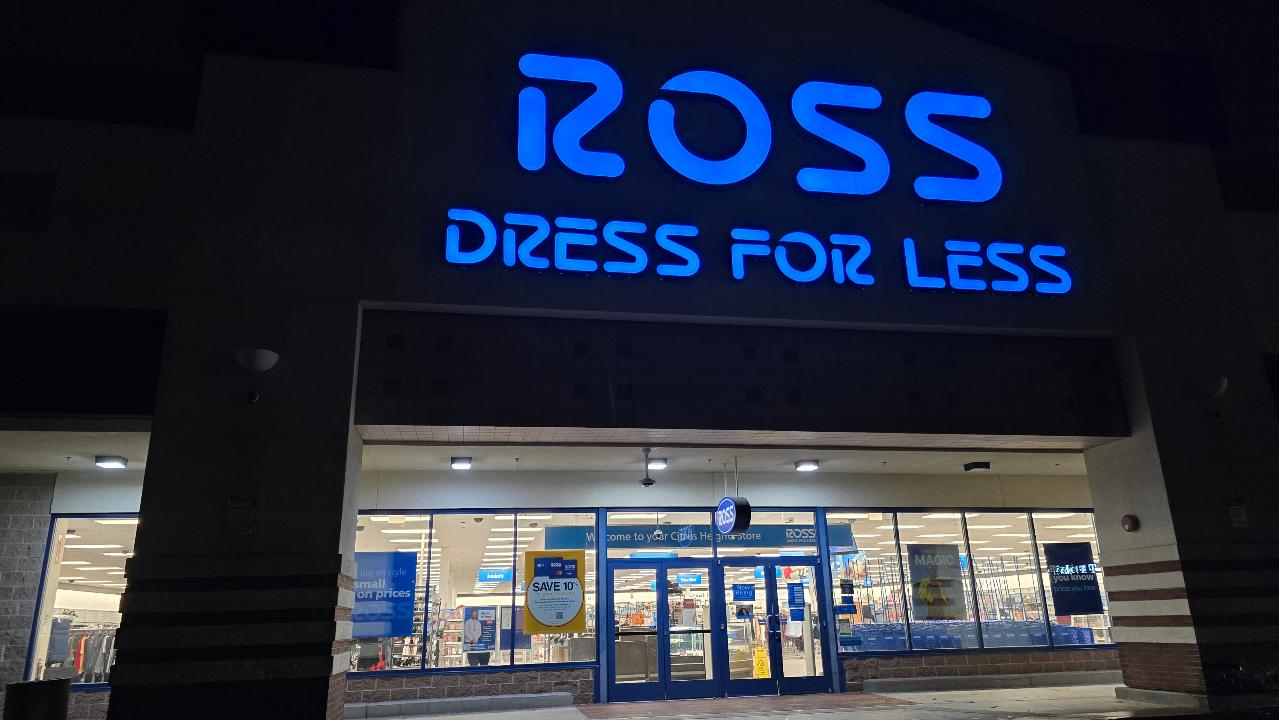
Ross Stores (ROST), which sells everything from clothes to furniture and is the largest off-price U.S. retailer, delivers results in this afternoon’s postmarket. Analysts expect significant growth, with expectations for earnings-per-share of $1.93 against $1.56 year-over-year (a 23.7% increase), and for revenue of $6.13 billion vs. $5.53 billion in that same period. Price-sensitive buyers seek out Ross’ excess lots of discounted, branded goods.
The idea of the “K-Shaped economy” has been prevalent in recent years, suggesting wealthier members of society (the upper arm of the K) are thriving due to strong stock markets and property equity, while middle- and lower-income households (the lower arm of the K) face greater struggles due to rising inflation, higher fuel costs, slower wage growth, and other factors. An important question for the discount retail sector is where these consumers converge, especially if higher-income households trade down to get discounts.
Here are three things to think about for upcoming retail earnings.
Is the K-Shaped Economy Reverting? A Bank of America Global Research note from July 28 suggests the K-shaped economy could be reversing course. The report said that in recent weeks, lower-income households saw stronger year-over-year total card spending growth (excluding gas) vs. higher-income households. The note suggests factors behind the move include rising labor income and lower gas prices. This presents an interesting situation for discount retailers, as strengthening financial situations for the lower part of the “K” could be a boon for this type of store. See: Jeffrey Klingelhofer on Consumer Resilience, Growth and Inflation Risks
Results From Other Retailers: Other companies have shown mixed results so far. The big name in the group, Walmart (WMT), is sharply lower this morning, sinking more than 6% premarket despite reporting an EPS beat and raising its outlook for the year. Walmart says it will use roughly $2.9 billion in tariff refunds to keep prices low. However, comp sales missed estimates and CFO John David Rainey said they continue to see consumers facing a squeeze. Fellow discount name The TJX Companies (TJX) sank 4.20% when it reported earnings yesterday, which executives blamed on self-inflicted inventory issues. Target (TGT) saw a sharp 4.27% jump yesterday after reporting a profit surge driven by $994 million in tariff refunds and a 3.8% increase in comparable sales. Meanwhile, Home Depot (HD) and Lowe’s (LOW) climbed after earnings despite reporting similar issues with consumers delaying discretionary home renovations. See Sturgill: HD Tops LOW Earnings, Bullish on TGT in Retail | Schwab Network
Upcoming Earnings Calendar: BJ’s Wholesale Club (BJ) will round out this week tomorrow. Next week will bring results from Dick’s Sporting Goods (DKS) on Tuesday, followed by Kohl’s (KSS) on Wednesday. Discount retail will be a major focus for Thursday once again with Dollar General (DG), Dollar Tree (DLTR), and Burlington Stores (BURL) reporting as well as Best Buy (BBY).
For this week's economic and earnings calendars, see Week Ahead: Retail Earnings, FOMC Minutes, Housing Data in Focus.
Featured Clips
Hitha Herzog on Retail Sales, Prime Day Distortions & Smarter Consumer Spending
Market On Close
► Play video