Thomas White
Co-HostMarket Votes Yes After Fed Raises Rates, Signals Inflation Fight Isn’t Over
Thomas White
Co-HostThe Federal Reserve raised interest rates by 25 basis points Wednesday as expected, lifting the federal funds target range to 3.75% to 4.00%.
It was the Fed’s first rate hike since 2023 and the decision was unanimous, with the Federal Open Market Committee voting 12–0 to tighten policy. The hawkish pivot came as inflation remains above the central bank’s 2% goal and the economy continues to show solid momentum.
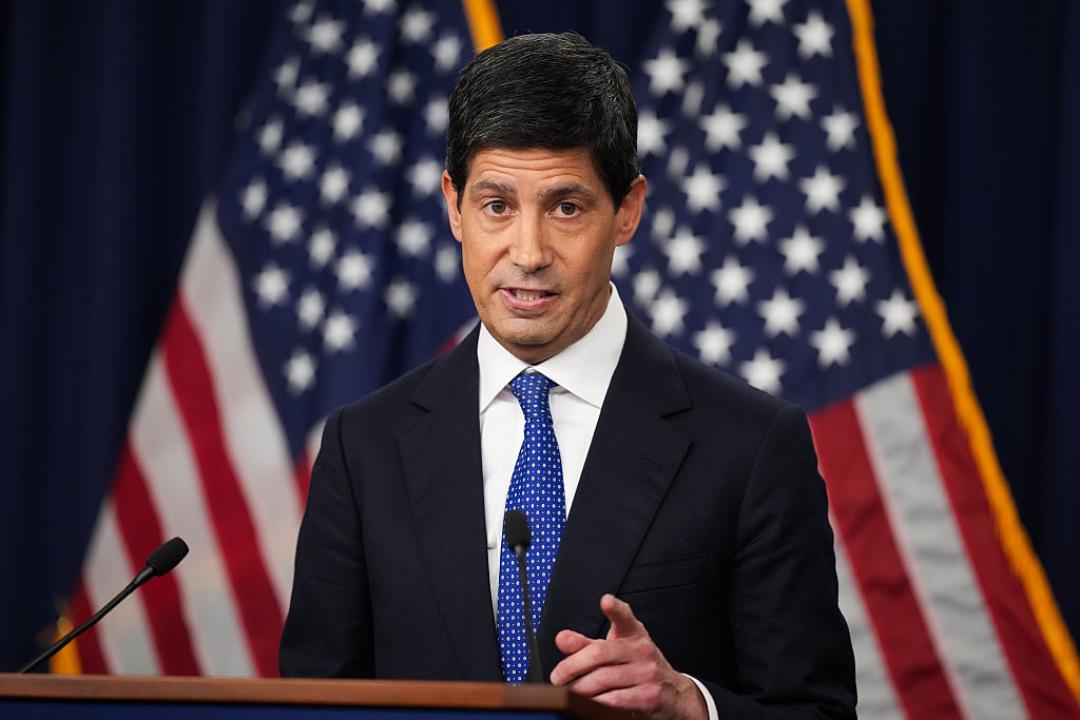
Stocks turned negative after the rate hike and press conference from Fed Chair Kevin Warsh. The S&P 500 Energy sector was down nearly 3% as oil prices fell over 3.5% on Wednesday but the market also saw weakness in Financials, Materials and Consumer Discretionary stocks. Stocks are rebounding Thursday morning as investors digest the fallout from the decision. During Warsh’s press conference, he repeatedly highlighted that the inflation risk wasn’t improving. See Live Updates: Fed Interest Rate Decision
“The plain fact is that inflation is too high, and has been for too long,” Warsh said during the press conference following the announcement. “This summer’s inflation readings do not tell me that underlying trends have meaningfully improved.” While Warsh once again did not give forward guidance to maintain flexibility, his hawkish commentary left investors expecting an extended cycle of higher-for-longer rates rather than a potential one-and-done hike.
The Fed said economic activity is expanding at a solid pace, domestic spending remains resilient, productivity growth is strong, and capital investment is robust. Officials also said job gains have kept pace with the workforce while unemployment has changed little. The median estimate for the unemployment rate was revised downward by 0.2 percentage points and is expected to remain near 4.1%. Warsh stated that inflation risks are to the upside but labor risks are balanced. See Busch: Interest Rate Hike Warranted, Energy Shocks Will Last as Headwinds
The Fed’s freshly updated Summary of Economic Projections points to a more hawkish path. The median projection for PCE inflation is now pegged at 3.7% for 2026, aggravated by rising energy prices and geopolitical friction. Concurrently, real GDP projections for 2026 and 2027 were notched upward by 0.1 percentage points, underscoring fundamental economic strength. The median year-end 2026 policy-rate projection is implying one additional 25-basis-point hike before year-end. Sixteen out of 18 Fed participants, including FOMC members and regional Reserve Bank presidents, projected at least one more rate increase by year-end, which would push the policy rate into the 4.00%–4.25% bracket. This reinforced a higher-for-longer message even as policymakers continue to monitor inflation, energy prices, geopolitical risks and labor-market conditions.
For markets, the rate hike keeps pressure on rate-sensitive areas of the stock market. The benchmark 10-Year Treasury yield was down six basis points at its session lows before reversing higher to settle above 5%. Growth and technology shares could face valuation headwinds if Treasury yields continue to climb, while small caps and highly leveraged companies may remain vulnerable to higher borrowing costs. Banks and financials may benefit from firmer rates and better net interest margins, though the outlook depends on loan demand and credit quality. Defensive sectors such as health care, utilities, and consumer staples could draw interest if investors become more cautious. Energy remains tied to oil prices and geopolitical risk. See NDX Volatility Following Fed's Rate Hike, IGV & SOX Dispersion Grows
The broader takeaway is that the Fed is prioritizing price stability even with policy already somewhat restrictive. That could limit near-term upside for stocks if investors price in more tightening, but it may signal confidence that the economy can absorb higher rates. For equities, leadership may continue to favor companies with strong balance sheets, durable cash flow, pricing power and less dependence on cheap capital.
Featured Clips
Michael Reinking on Fed's 'Confusing Story,' AI's Lasting Demand Pulling Markets
Morning Movers
► Play videoTech Stocks Up, Crude Below $100 Signal Risk On Tone After Fed's Rate Hike
Morning Movers
► Play videoBitcoin's Key Levels After Clarity Act Fails in U.S. Senate
► Play videoArt Hogan on Fed Interest Rate Hike, Warsh's 'Contradictions' & Inflation Outlook
The Watch List
► Play video